

on January 19, 2025
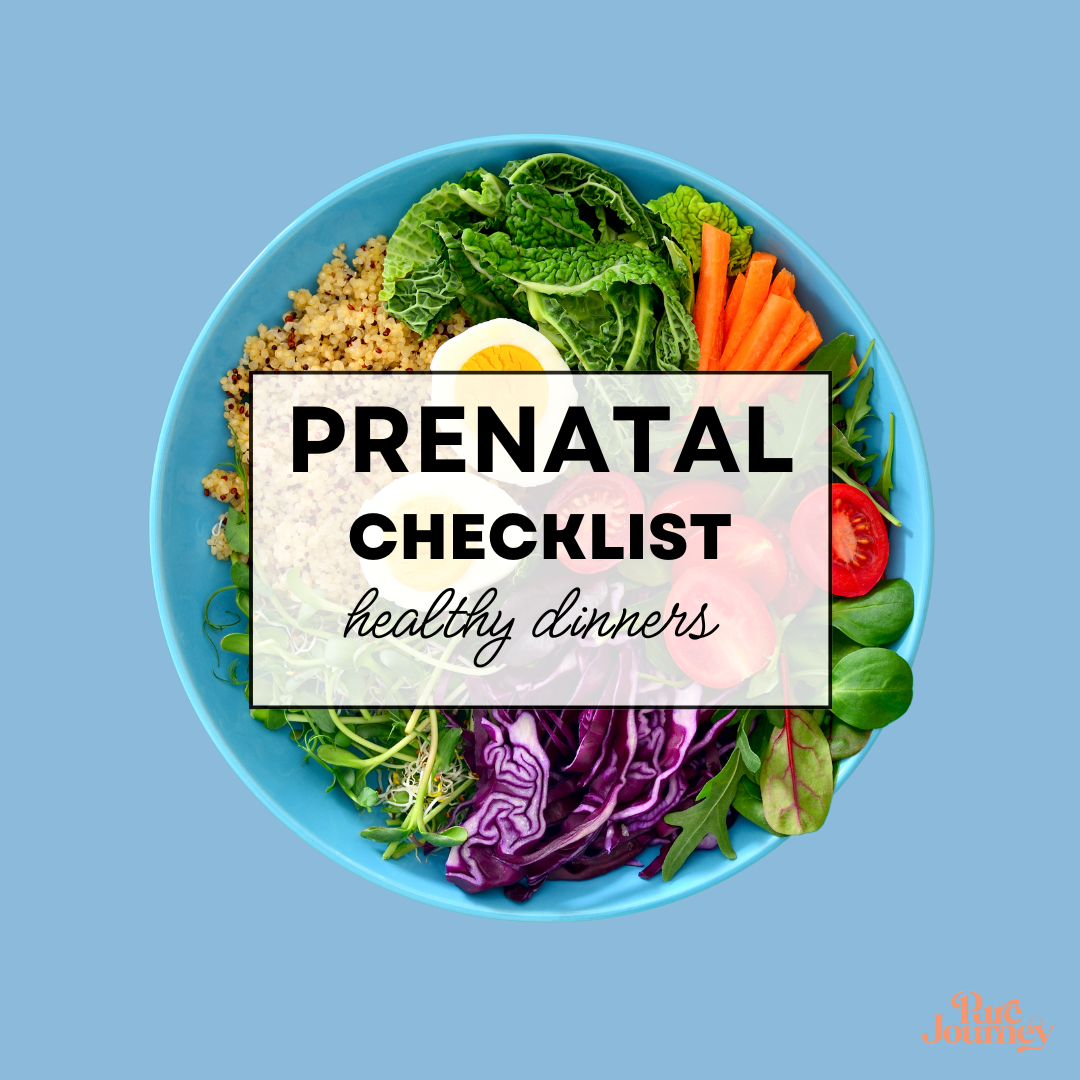
The Essential Prenatal Nutrition Checklist: Foods to Eat for a Healthy Pregnancy
Pregnancy is an exciting and transformative journey, but it also comes with unique nutritional demands. The foods you eat during pregnancy play a crucial role in supporting your baby’s development while keeping you healthy and strong. To make it easier, we’ve created this comprehensive checklist of essential foods to include in your diet for a healthy pregnancy.
Why Prenatal Nutrition Matters
During pregnancy, your body requires more vitamins, minerals, and nutrients to support your growing baby and sustain your own health. Nutrient-rich foods can help:
- Promote your baby’s brain and organ development.
- Reduce the risk of birth defects.
- Support your immune system and energy levels.
- Prevent complications like anaemia and gestational diabetes.
The Prenatal Nutrition Checklist
1. Folate-Rich Foods
Folate (the natural form of folic acid) is crucial for preventing neural tube defects and supporting healthy brain development.
- Best Sources: Spinach, kale, broccoli, asparagus, lentils, chickpeas, and fortified cereals.
- Tip: Include a daily serving of leafy greens in salads, smoothies, or sautéed dishes.
2. High-Iron Foods
Iron is vital for producing haemoglobin, which carries oxygen to your baby. Low iron levels can lead to anaemia, fatigue, and complications.
- Best Sources: Lean red meat, chicken, turkey, spinach, lentils, tofu, and fortified cereals.
- Tip: Pair iron-rich foods with vitamin C (like citrus fruits) to improve absorption.
3. Protein-Packed Choices
Protein is essential for building your baby’s tissues and organs. Pregnant women need about 70–100 grams of protein daily, depending on their weight and activity level.
- Best Sources: Eggs, lean meats, fish, beans, nuts, seeds, and dairy products.
- Tip: Include a protein source in every meal, such as scrambled eggs for breakfast or grilled chicken for dinner.
4. Calcium-Rich Foods
Your baby needs calcium to develop strong bones and teeth. If your diet lacks calcium, your body may take it from your bones, increasing your risk of osteoporosis later.
- Best Sources: Milk, yogurt, cheese, fortified plant-based milks, almonds, and tofu.
- Tip: Aim for 1,000 mg of calcium daily, spread across your meals.
5. Omega-3 Fatty Acids
Omega-3s, particularly DHA, are critical for your baby’s brain and eye development.
- Best Sources: Salmon, sardines, walnuts, chia seeds, and flaxseeds.
- Tip: Include 2–3 servings of low-mercury fish per week for optimal DHA intake.
6. Fibre-Rich Foods
Fibre helps prevent constipation, a common pregnancy complaint, and supports healthy digestion.
- Best Sources: Whole grains, fruits (like apples and pears), vegetables (like carrots and sweet potatoes), beans, and lentils.
- Tip: Start your day with a bowl of oatmeal topped with berries for a fibre boost.
7. Vitamin C Foods
Vitamin C is essential for iron absorption and immune support. It also helps with collagen production, aiding in your baby’s tissue and skin development.
- Best Sources: Oranges, strawberries, bell peppers, kiwis, and tomatoes.
- Tip: Snack on sliced bell peppers with hummus or enjoy a fresh fruit salad.
8. Whole Grains
Whole grains provide energy, fibre, and key nutrients like B vitamins and magnesium.
- Best Sources: Quinoa, brown rice, whole wheat bread, oatmeal, and barley.
- Tip: Swap white bread or rice for whole-grain options to boost nutrient intake.
9. Healthy Fats
Healthy fats support your baby’s brain development and provide sustained energy.
- Best Sources: Avocados, nuts, seeds, olive oil, and fatty fish.
- Tip: Add a drizzle of olive oil to your salads or enjoy avocado toast as a snack.
10. Hydration
Staying hydrated is just as important as the foods you eat. Water helps maintain amniotic fluid levels and supports healthy blood circulation.
- How Much: Aim for at least 8–10 glasses of water daily, and more if you’re active.
- Tip: Keep a reusable water bottle with you to track your intake throughout the day.
Foods to Limit or Avoid
While the above foods are fantastic for your pregnancy, there are a few items to limit or avoid:
- High-Mercury Fish: Such as swordfish and mackerel.
- Unpasteurised Products: Like soft cheeses and raw milk, which can carry harmful bacteria.
- Caffeine: Limit to 200 mg per day (about one 12-ounce coffee).
- Alcohol: Avoid entirely during pregnancy.
Sample Daily Meal Plan for Prenatal Nutrition
Here’s a simple meal plan incorporating the essential foods:
Breakfast
- Scrambled eggs with spinach and whole-grain toast.
- A glass of fortified orange juice.
Snack
- Greek yogurt with a handful of walnuts and fresh berries.
Lunch
- Grilled salmon with quinoa and steamed broccoli.
- A side salad with avocado and olive oil dressing.
Snack
- Apple slices with almond butter.
Dinner
- Grilled chicken with roasted sweet potatoes and sautéed kale.
Dessert
- A small bowl of mixed fruit with a sprinkle of chia seeds.
Final Thoughts
Eating a balanced, nutrient-rich diet during pregnancy sets the foundation for your baby’s health and ensures you stay strong throughout this incredible journey. By following this checklist, you can feel confident that you’re nourishing your body and your growing baby in the best way possible.
If you need personalised advice, consult with a registered dietitian or your healthcare provider. Every pregnancy is unique, and your dietary needs may vary.
Have questions about prenatal nutrition or want to learn more? Let us know in the comments below!
