

on June 11, 2025
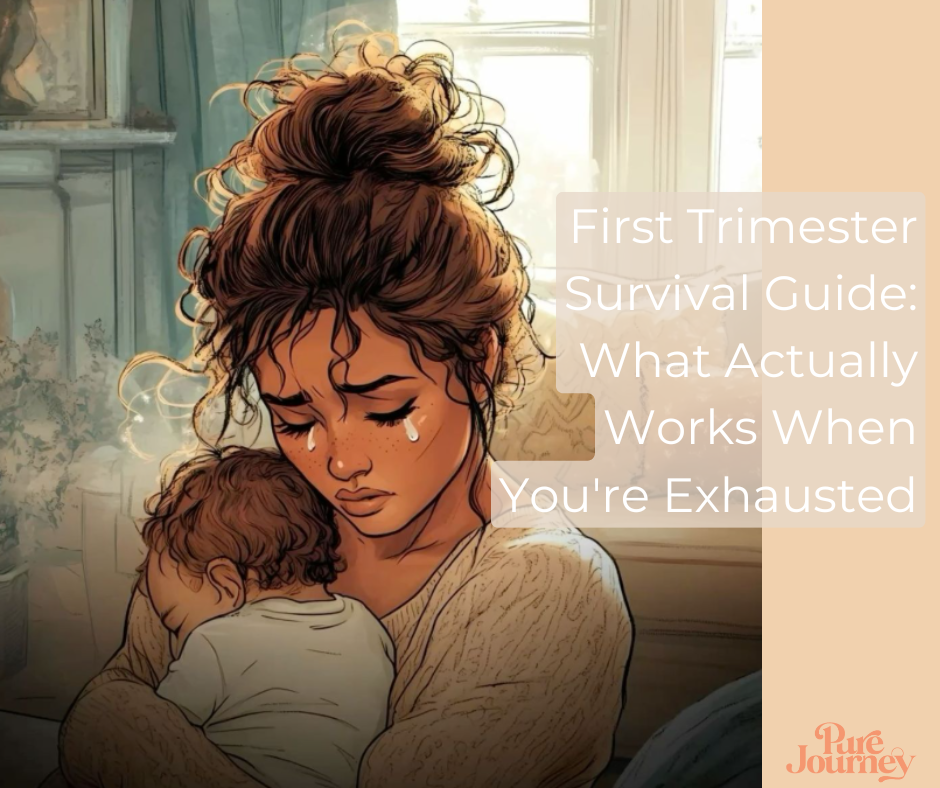
The first trimester can feel like you've been hit by a truck – and then that truck reversed over you for good measure. If you're reading this while fighting to keep your eyes open at 2 PM, wondering how you'll make it through another day of bone-deep exhaustion, you're not alone. First trimester fatigue is one of pregnancy's most underestimated challenges, but there are proven strategies that actually work.
Why First Trimester Exhaustion Hits So Hard
Your body is performing the miraculous task of creating another human being. During the first 12 weeks, your blood volume increases by up to 50%, your heart rate rises, and your metabolism shifts dramatically. Meanwhile, pregnancy hormones like progesterone act as natural sedatives, leaving you feeling like you need a nap after brushing your teeth.
This isn't "just being tired" – this is your body redirecting enormous amounts of energy toward growing your baby. Understanding this can help you give yourself the grace you deserve during this challenging time.
Energy Management Strategies That Actually Work
Prioritise Sleep Quality Over Quantity
While getting 8-9 hours is ideal, focus on making the sleep you do get more restorative:
- Create a wind-down routine: Start dimming lights 30 minutes before bed
- Keep your bedroom cool: Aim for 16-19°C for optimal sleep
- Invest in pregnancy pillows early: Supporting your changing body improves sleep quality
- Limit screen time: Blue light disrupts melatonin production
Master the Art of Strategic Napping
Not all naps are created equal. The sweet spot is 20-30 minutes between 1-3 PM. Any longer and you'll wake up groggier; any later and you'll struggle with nighttime sleep.
Fuel Your Body Properly
Your nutritional needs have increased, but morning sickness often makes eating challenging:
- Eat small, frequent meals: Keep blood sugar stable to maintain energy
- Focus on complex carbohydrates: Oats, quinoa, and sweet potatoes provide sustained energy
- Don't skip breakfast: Even if it's just toast, something is better than nothing
- Stay hydrated: Dehydration worsens fatigue significantly
The Power of Targeted Nutrition
Essential Nutrients for Energy
Iron: Your blood volume is expanding rapidly, making iron crucial for preventing anaemia-related fatigue. Include lean meats, spinach, and lentils in your diet.
B Vitamins: These powerhouse nutrients support energy metabolism. B6 is particularly important during pregnancy and can help with morning sickness too.
Folate: Beyond preventing neural tube defects, folate supports energy production at the cellular level.
Vitamin D: Deficiency is linked to fatigue and mood changes, common during pregnancy.
When Food Isn't Enough
Sometimes, despite your best efforts with diet, you need additional support. A comprehensive pregnancy multivitamin can help fill nutritional gaps when morning sickness makes eating challenging. Look for formulations specifically designed for pregnancy that include optimal levels of iron, folate, and B vitamins.
The Pregnancy Multivitamin Drink offers a convenient way to get essential nutrients when solid food feels impossible. Its liquid format is often easier to tolerate than tablets when you're feeling nauseous.
Managing Morning Sickness and Energy
Morning sickness doesn't just affect your stomach – it zaps your energy too. Here's how to manage both:
Before Getting Out of Bed
- Keep crackers or dry cereal on your bedside table
- Eat something small before sitting up
- Move slowly when getting up
Throughout the Day
- Carry snacks everywhere: nuts, dried fruit, or crackers
- Try ginger tea or ginger supplements for nausea
- Eat what appeals to you, even if it's not "perfect" nutrition
Gentle Movement for Energy
It sounds counterintuitive when you're exhausted, but gentle movement can actually boost energy levels:
- 10-minute walks: Fresh air and light movement improve circulation
- Prenatal yoga: Specific poses can energise while being gentle on your changing body
- Swimming: If accessible, water supports your body while providing gentle exercise
- Stretching: Even 5 minutes of gentle stretches can improve how you feel
Managing Work and Daily Life
At Work
- Be honest with your manager: You don't have to share pregnancy news, but explaining you're dealing with a health condition can help
- Take breaks: Step outside for fresh air or find a quiet space to rest your eyes
- Adjust your schedule: If possible, tackle demanding tasks when your energy is highest
At Home
- Lower your standards temporarily: The dishes can wait; your rest cannot
- Accept help: Let others cook, clean, or run errands
- Batch tasks: Do multiple similar tasks together to conserve energy
The Mental Game: Coping with Guilt and Expectations
First trimester exhaustion often comes with a side of guilt. You might feel like you should be glowing and energetic, especially if others don't know you're pregnant yet. Remember:
- This exhaustion is temporary (though it might not feel like it)
- Your body is doing incredible work, even when you're resting
- Taking care of yourself is taking care of your baby
- Every pregnancy is different – don't compare your experience to others
When to Seek Help
While fatigue is normal, excessive exhaustion could indicate:
- Iron deficiency anaemia: Common in pregnancy and easily treatable
- Thyroid issues: Pregnancy can affect thyroid function
- Depression: Pregnancy hormones can impact mental health
Contact your healthcare provider if:
- Fatigue doesn't improve after the first trimester
- You feel dizzy or faint regularly
- You're unable to function in daily life
- You have other concerning symptoms
Natural Support Options
Adaptogenic Herbs
Some pregnant women find gentle adaptogens helpful, though always consult your healthcare provider first. Ashwagandha, for example, has been traditionally used to support energy and stress management.
Mindfulness and Stress Reduction
Stress worsens fatigue, so incorporating stress-reduction techniques can help:
- Deep breathing exercises: 5 minutes of focused breathing can be refreshing
- Meditation apps: Many have pregnancy-specific content
- Gentle music or nature sounds: Can help with relaxation and energy restoration
Building Your Support Network
Don't underestimate the power of emotional support:
- Connect with other pregnant women: Online forums or local groups
- Communicate with your partner: Help them understand what you're experiencing
- Lean on family and friends: Most people want to help but don't know how
Looking Ahead: Light at the End of the Tunnel
For most women, first trimester exhaustion begins to lift around weeks 12-14 as hormone levels stabilise and the placenta takes over hormone production. The second trimester often brings renewed energy – though every pregnancy is unique.
Creating Your Personal Survival Plan
Your first trimester survival strategy should include:
- Sleep optimisation: Consistent bedtime routine and comfortable sleep environment
- Nutritional support: Balanced meals when possible, supplements when needed
- Gentle movement: Whatever feels good for your body
- Stress management: Techniques that work for your lifestyle
- Support system: People who understand and can help practically
Final Thoughts
First trimester exhaustion is real, valid, and temporary. Your body is performing an incredible feat, and feeling tired is a normal part of this process. Be patient with yourself, prioritise rest, and remember that taking care of yourself is the best thing you can do for your growing baby.
The key is finding what works for your unique situation and being flexible as your needs change. Some days, survival mode is perfectly acceptable. Other days, you might feel more energetic. Both are normal parts of the first trimester journey.
Remember, you're not just growing a baby – you're becoming a mother, and that transformation takes enormous energy. Give yourself the grace, rest, and support you need during this incredible time.
Frequently Asked Questions
Q: Is it normal to feel exhausted all day during the first trimester? A: Yes, extreme fatigue is one of the most common first trimester symptoms. Your body is working incredibly hard to support your growing baby, and hormonal changes contribute to feeling exhausted.
Q: When does first trimester fatigue typically improve? A: Most women notice energy levels improving around weeks 12-14, though this varies. Some women feel better earlier, while others may experience fatigue longer.
Q: Can I drink coffee during pregnancy to help with fatigue? A: Limited caffeine is generally considered safe (up to 200mg daily), but many pregnant women find coffee worsens nausea. Consider alternatives like herbal teas or natural energy-supporting nutrients.
Q: Should I be worried if I'm sleeping 10+ hours and still tired? A: Extended sleep needs are normal in the first trimester, but if you're concerned about excessive fatigue, discuss it with your healthcare provider to rule out conditions like anaemia.
Q: What's the best way to explain first trimester fatigue to my partner? A: Help them understand that this isn't regular tiredness – it's your body redirecting enormous energy to create your baby. Comparing it to recovering from illness can help them grasp the intensity.
Looking for additional support during your pregnancy journey? Explore our range of pregnancy wellness products designed specifically for mothers-to-be, including our comprehensive Pregnancy Multivitamin Drink to help fill nutritional gaps when eating feels challenging.
