

on May 31, 2025
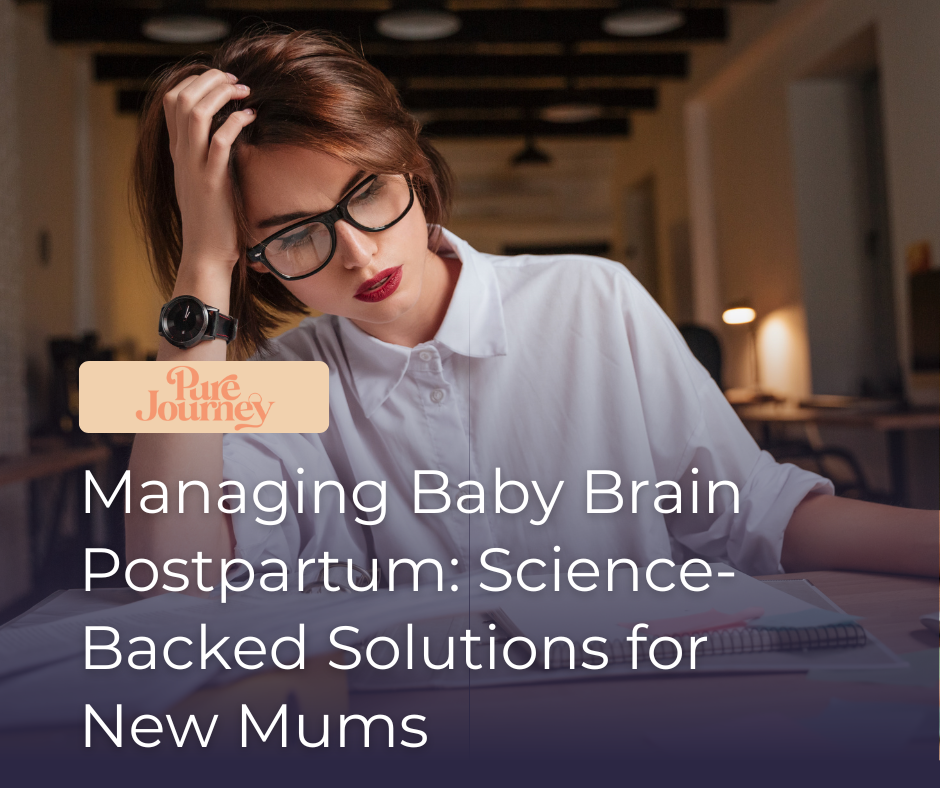
What is Baby Brain and Why Does It Happen?
Baby brain, also known as "pregnancy brain" or "momnesia," is a real phenomenon that affects up to 80% of new mothers during pregnancy and postpartum. This cognitive fog includes symptoms like forgetfulness, difficulty concentrating, and feeling mentally scattered.
The Science Behind Baby Brain
Research published in Nature Neuroscience shows that pregnancy and childbirth cause significant changes in brain structure that can last up to two years postpartum. These changes include:
- Hormonal fluctuations: Dramatic drops in estrogen and progesterone after birth
- Sleep deprivation: Interrupted sleep patterns affecting cognitive function
- Stress hormones: Elevated cortisol levels impacting memory and focus
- Brain restructuring: Neural pathways reorganizing to prioritize maternal instincts
How Long Does Baby Brain Last?
Most women experience baby brain symptoms for 6-12 months postpartum, though some may notice effects for up to two years. The good news? Your brain is adapting to help you become a more intuitive, protective mother.
Natural Ways to Combat Baby Brain
1. Prioritize Quality Sleep
Even with a newborn, focus on sleep quality when possible:
- Sleep when baby sleeps
- Create a dark, cool environment
- Avoid screens 1 hour before bed
- Consider safe co-sleeping arrangements if breastfeeding
2. Nutrition for Brain Health
Your brain needs proper fuel to function optimally:
- Omega-3 fatty acids: Found in walnuts, chia seeds, and flaxseeds
- B vitamins: Essential for cognitive function and energy
- Iron: Low levels common postpartum, affecting concentration
- Vitamin D: Supports mood and cognitive health
3. Gentle Exercise and Movement
Physical activity increases blood flow to the brain:
- Daily walks with baby
- Postnatal yoga
- Swimming (once cleared by GP)
- Pelvic floor exercises
4. Mindfulness and Stress Management
Chronic stress worsens cognitive symptoms:
- Deep breathing exercises
- Meditation (even 5 minutes daily helps)
- Journaling
- Progressive muscle relaxation
Science-Backed Supplements for Cognitive Support
Lion's Mane Mushroom for Mental Clarity
Lion's Mane mushroom has shown remarkable promise for cognitive enhancement. A pilot study published in Biomedical Research demonstrated that participants experienced noticeable improvements in cognitive function and mood after just 28 days of Lion's Mane supplementation.
Our Baby Brain Mushroom Coffee combines organic Lion's Mane with premium coffee, providing a delicious way to support mental clarity while enjoying your morning routine. Many customers report improved focus and energy within two weeks of regular use.
Adaptogens for Stress and Cognitive Function
Adaptogenic herbs help your body manage stress more effectively:
Ashwagandha KSM-66® is particularly beneficial for new mothers. Clinical studies show it can reduce cortisol levels by up to 30%, helping improve both stress response and cognitive function. Our Organic Ashwagandha KSM-66® uses the most researched form of this powerful adaptogen.
Comprehensive Nutritional Support
A high-quality multivitamin ensures you're getting essential nutrients for brain health. Our Pregnancy Multivitamin Drink contains optimal levels of B vitamins, iron, and other nutrients crucial for cognitive function, making it suitable for continued use postpartum.
Creating Supportive Daily Routines
Morning Brain Boost Routine
- Start with a glass of water upon waking
- Enjoy your Baby Brain Mushroom Coffee
- Take 5 minutes for deep breathing
- Write down 3 priorities for the day
Evening Wind-Down
- Dim lights 1 hour before desired sleep time
- Practice gentle stretching or meditation
- Take your Organic Ashwagandha KSM-66®
- Prepare for tomorrow to reduce morning stress
When to Seek Professional Help
While baby brain is normal, consult your healthcare provider if you experience:
- Severe memory problems affecting daily life
- Persistent anxiety or depression
- Inability to concentrate on important tasks
- Thoughts of self-harm
These could indicate postpartum depression or anxiety, which require professional support.
The Importance of Self-Compassion
Remember, you're not "broken" – you're adapting to one of life's biggest changes. Your brain is literally rewiring itself to help you become the best mother possible. Be patient with yourself during this transition.
Building Your Support Network
Don't hesitate to:
- Ask family and friends for help
- Join new mum groups (online or in-person)
- Consider hiring a postpartum doula
- Connect with other mothers experiencing similar challenges
Long-Term Brain Health Strategies
Cognitive Training
- Try brain training apps (in moderation)
- Read regularly
- Learn a new skill
- Engage in puzzles or word games
Social Connection
Maintaining relationships supports cognitive health:
- Schedule regular coffee dates with friends
- Join mother and baby classes
- Participate in community activities
- Consider online support groups
Frequently Asked Questions
Q: Is baby brain permanent? A: No, baby brain is temporary. Most women see improvement within 6-12 months postpartum as hormones stabilize and sleep improves.
Q: Can breastfeeding make baby brain worse? A: Breastfeeding hormones can contribute to forgetfulness, but the benefits far outweigh this temporary side effect. Proper nutrition and rest can help minimize symptoms.
Q: Are nootropic supplements safe while breastfeeding? A: Always consult your healthcare provider before taking any supplements while breastfeeding. Natural options like Lion's Mane mushroom are generally considered safe, but individual circumstances vary.
Q: How can I improve my memory day-to-day? A: Use practical strategies like writing lists, setting phone reminders, keeping important items in the same place, and breaking tasks into smaller steps.
Q: Will my brain ever feel "normal" again? A: Your brain will adapt and improve, though you may notice you think differently – often becoming more intuitive and emotionally intelligent. Many women report feeling mentally sharper than before once they adjust to motherhood.
Remember, every mother's journey is unique. If you're struggling with severe cognitive symptoms, don't hesitate to reach out to your healthcare provider. At Pure Journey, we're here to support you with science-backed, natural solutions for your postpartum wellness journey
